Why Operational Know-How Makes New Technology Work in Real Incidents
January 8, 2025 | Operational Excellence
January 8, 2025 | Operational Excellence
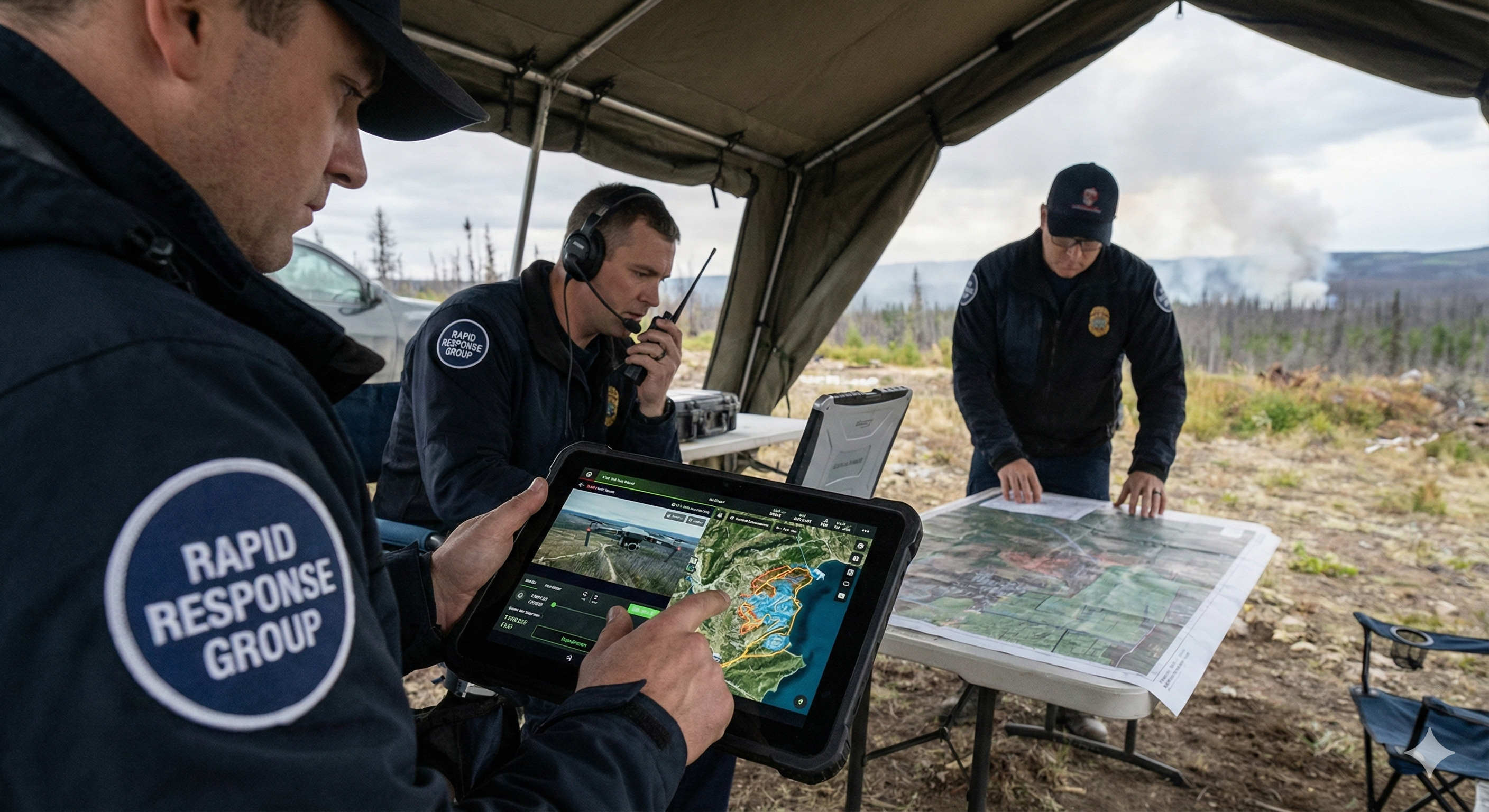
Operational know-how is the practical expertise that makes new technology deliver reliable results in real emergency incidents — turning digital tools into true capability rather than additional complexity.
It means:
This know-how ensures new technology shortens the loop from reaction to proactive control — reducing risks, improving safety, and driving better outcomes.
Combining deep response experience with effective digital deployment is rare because of several barriers:
IT Restrictions: Strict policies — locked devices, slow approvals, security rules blocking cloud tools — prevent tactical teams from using modern solutions in the field.
Lack of Digital Skills at the Tactical Level: Frontline responders excel in hazards and safety but may not have digital fluency. Without focused, responder-centered training, new tools feel foreign and get underused in high-pressure moments.
Cognitive Load on Tactical Teams: Responders already manage intense mental demands. Complex or poorly integrated tech adds cognitive burden — slowing decisions or increasing errors when speed is critical.
Always-Changing Technology: Rapid innovation brings constant updates and options. Teams without dedicated integration expertise fall behind, ending up with fragmented or outdated systems.
Continuous Learning Requirement: Mastering new technology demands ongoing practice and refinement. Most organizations lack the structure or culture to sustain this, so adoption fades after initial rollout.
These challenges explain why many digital initiatives in response fail or underperform — technology without operational know-how becomes unreliable in real incidents.
At Rapid Response Group, our aligned cooperative of expert responders has built this know-how through our commitment to constant learning and evolution and battle testing all our digital solutions in the field since 2019 — making new technology deliver faster organization, safer operations, and superior results when it counts.
Since we are independent companies using the same technology we have more feedback than if it was just one provider and this structure helps us solve rapid change in tech and in the events we apply it to.
If you'd like to discuss how we overcome these barriers for your needs, we're here to talk.
Contact Rapid Response Group to learn how we make technology work in real incidents.
24/7 Emergency Hotline: (844) 337-6336
RRS National Contact Number: (877) 410-0266
Email: drc@rapidresponsenow.com